

Meet CDI graduate: from social media director to digital wellbeing coach
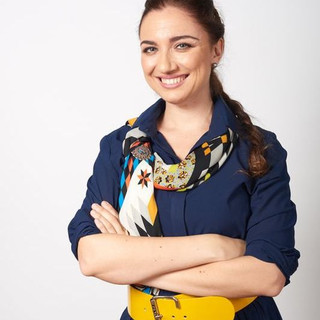
We get asked a lot what our graduates do after the finish the CDI certification. So we decided to ask them directly and share a few stories with you. Today, we invite you to meet
Katie Brockhurst from the UK. Katie's story is fascinating - she made a 180 degrees turn from a social media director into a digital wellbeing coach, researcher and teacher. We asked her what got her into it and what she's been up to.
What got you interested in digital wellbeing and CDI certification?

Around 2018 when the Cambridge analytics scandal happened I discovered the truth about addictive design and how we were being nudged by algorithms. I also noticed I was choosing the screen and digital connection over embodied spaces, and that all my clients and friends were stressed out and anxious and that a lot of it was being caused by social media or their relationship to likes and follows. I started to write about it and share with others, there wasn’t much out there at the time. I did a course with the University of York and wrote a digital self care guide in 2019. I knew I wanted to learn more, and Consciously Digital was the first accredited course of its kind, and when lockdown hit, I knew it would be a good use of my time to study and have a focus, particularly as it forced so many people online at the time, it felt more important than ever. I am so glad I did!
You graduated from CDI a few years ago but you have only recently become active in the digital wellbeing field? What were the roadblockers and made you make the move?
Yes, I graduated in 2000, but at the time no-one wanted to pay for a digital wellbeing coach or digital wellbeing in my world anyway … it was a very niche topic and to be honest people didn’t really want to hear it so much... So I blended it into my social media work, into my consultancy and the strategies I was delivering. EG As head of the social media team for The Common at Glastonbury Festival (which is the late night dance stages with main audience of 18-30) I asked the producers if we could ‘go dark on grid’ for the duration of the festival, with the message ‘you shouldn’t be looking at your phone, you should be dancing with your friends’ - it also helped my team who had to produce and publish content for festival and took the pressure off us all too to spend the whole festival online. And it actually resulted in our content performing better! Then two years ago, my literary agent at the time told me that I should do a book for teens and children. I don’t have kids myself and knew I couldn’t do a book for young people without speaking to young people and that set me on a path to contact schools and start to take the conversation and information I had gathered to share with them.
What are your key achievements (you yourself are proud of) over the past few years in digital wellbeing space?
My big achievement is that I have been developing my own intellectual property and a very clear offering with The Attention Experiment: Scroll Loop Notice Choose - as the mechanism to teach and learn and create open conversations about our relationship to social media. I am super proud of this body of work and feel like I’m just at the beginning of an exciting new chapter in my digital wellbeing career.
Key achievements for me has been getting signed by two School Speaker agencies who are actively now selling me into schools to work with both children and teachers. I am also working with Educationscape (festival of education) to deliver some talks for them in the Autumn for teachers…
I was invited to submit evidence to the UK House of Commons Education Committee on AI and Edtech which was recently published.
It's been brilliant to start to make connections with people making decisions and have some influence in those spaces. Having felt quite alone apart from the CDI community, it has been exciting to see this topic go mainstream in the UK really just this year - not my achievement - but beautiful to see the village come to life on this important topic, and be part of the conversation.
What is your main business activity look like?
My main business activity is being paid to speak in schools, at business wellbeing events and festivals. I made the decision not to do 1-1 coaching work while I focus on building The Attention Experiment and testing out new material - so I would say I have been in very much in a research and development phase in 2026. I can’t deny that it’s been quite a process to shift my income from social media consultancy into digital wellbeing, but now I have The Attention Experiment as the vehicle for this work, and agents on board I am very confident about how this will grow over the next 12 months.
Do you see demand for what you do? From whom?
Yes, the demand is greater than it has ever been, people actually know what you are talking about now, when discussing relationship to social media and the internet and screens and know what digital wellbeing is!
I am seeing demand from schools but also from businesses and I am currently in talks with a couple of speaker bureaus about taking The Attention Experiment into the workplace alongside schools.
Anything else that will be useful for those thinking of building digital wellbeing career/brand to know based on your experience?
You have to be proactive, despite the increase in awareness, find people that can champion you, that can open doors and make introductions. Create conversations, offer resources and support, build relationships. That’s been the biggest part of this for me, as well as developing something people can understand they are getting. There has never been a better time to build a digital wellbeing career - your insights and understanding and desire to help in this arena is much needed in the world, but people are still just waking up to the reality of the situation and their digital habits is still quite confronting. Learn about the people you want to support and how they feel, meet them where they are, make it fun and accessible. They don’t all want to know the neuroscience, they want to know what they can do in their day to day lives to spend less time online and help themselves and their families thrive.
If you got inspired by Katie's story and are considering a career change, check out Consciously Digital Institute certification in digital wellbeing. This 1-year long program provides full support with both learning the theory, behavioural change skills and advice on setting up the business. If you are wondering what it's like to study with us, the easiest first step is to join the 5-day Attention Detox Challenge - it's a fun neuroscience-based program requiring only 1 hour per day for 5 days from you.


Comments